AI advertising in Latin America: what works today
AI advertising is advertising that uses generative artificial intelligence at some stage of a campaign: the image, the voice, the music, the versions or the full production of a piece. In Latin America it is already part of the daily work of brands, agencies and shopping centers, and what decides whether a campaign works is still the idea.
The examples below are published campaigns from Argentina and Colombia, so each piece can be seen in full.
What AI advertising is and at which stages it appears
The definition is broad on purpose. A campaign can use AI only to explore the visual universe before producing, to generate scenes that could not be filmed, to create versions of the same piece or to make the whole spot. In every case there is still a brief, an idea, a direction and someone who approves.
What changed is how much can be tested before deciding. An idea that used to be discarded because it could not be produced can now reach the screen. It was one of the topics at the MARCCA 2026 conference of shopping centers in Colombia: technology expands what a brand can produce, and judgment defines what is worth doing.
For the full picture of how it is produced today, with its stages and roles, there is the guide to AI video production. Here the focus is on the advertising side: what happens when the piece has to sell or draw people.
Two examples from Argentina and Colombia
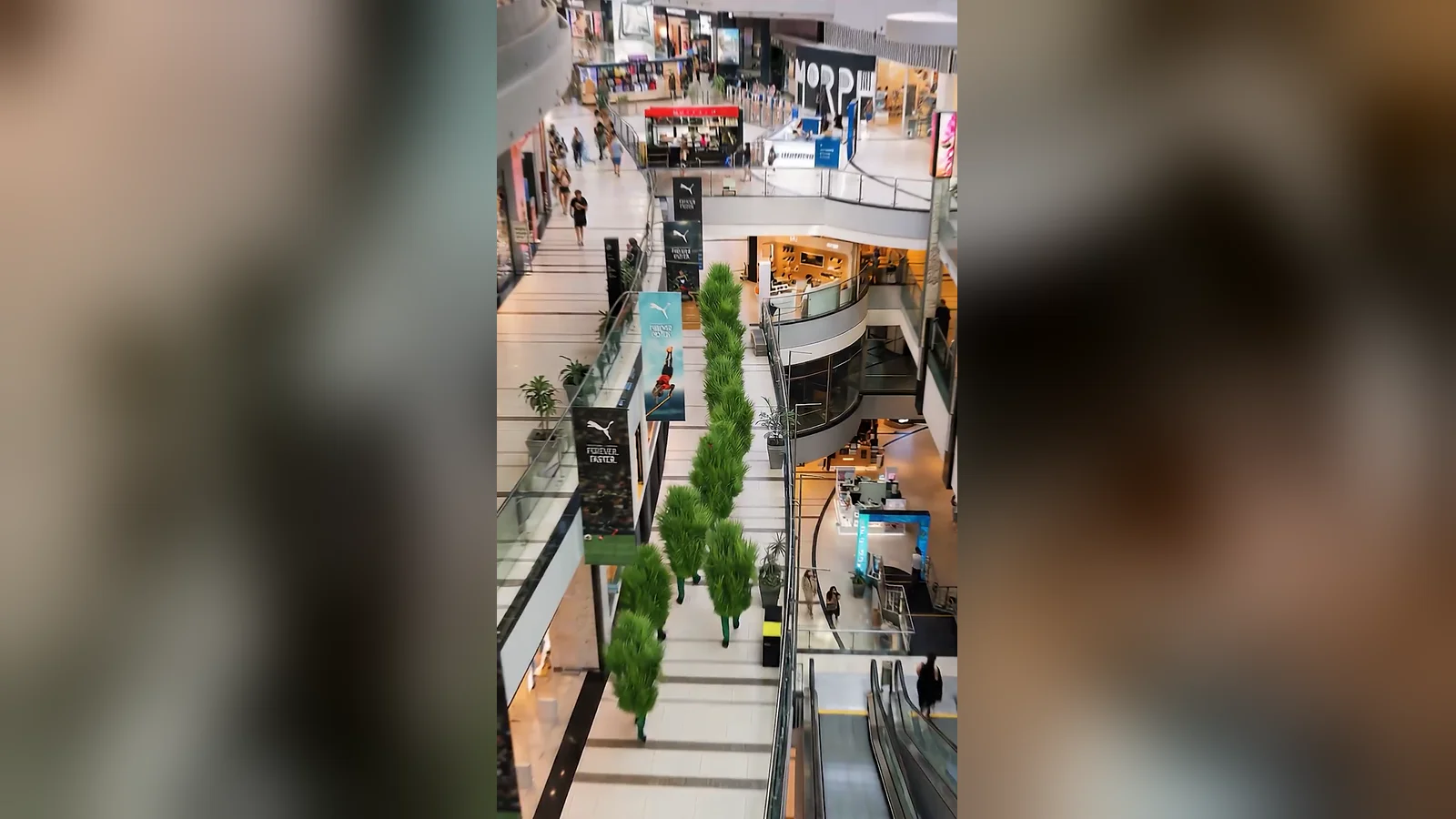
Two published campaigns show very different uses. The first is Arbolitos, for Alto Palermo. A trend linked to Bad Bunny was circulating on social media and the shopping center wanted to take part while it was still current. The piece brought the grass characters into the shopping center's universe: they travel through Buenos Aires, reach Alto Palermo and end up dancing in its spaces.
There, AI made something concrete possible: generating the scenes and integrating real locations within the window in which the conversation was still active. The creative decision came first: taking a cultural code that was already circulating and telling it as the shopping center's own story, with its real spaces.
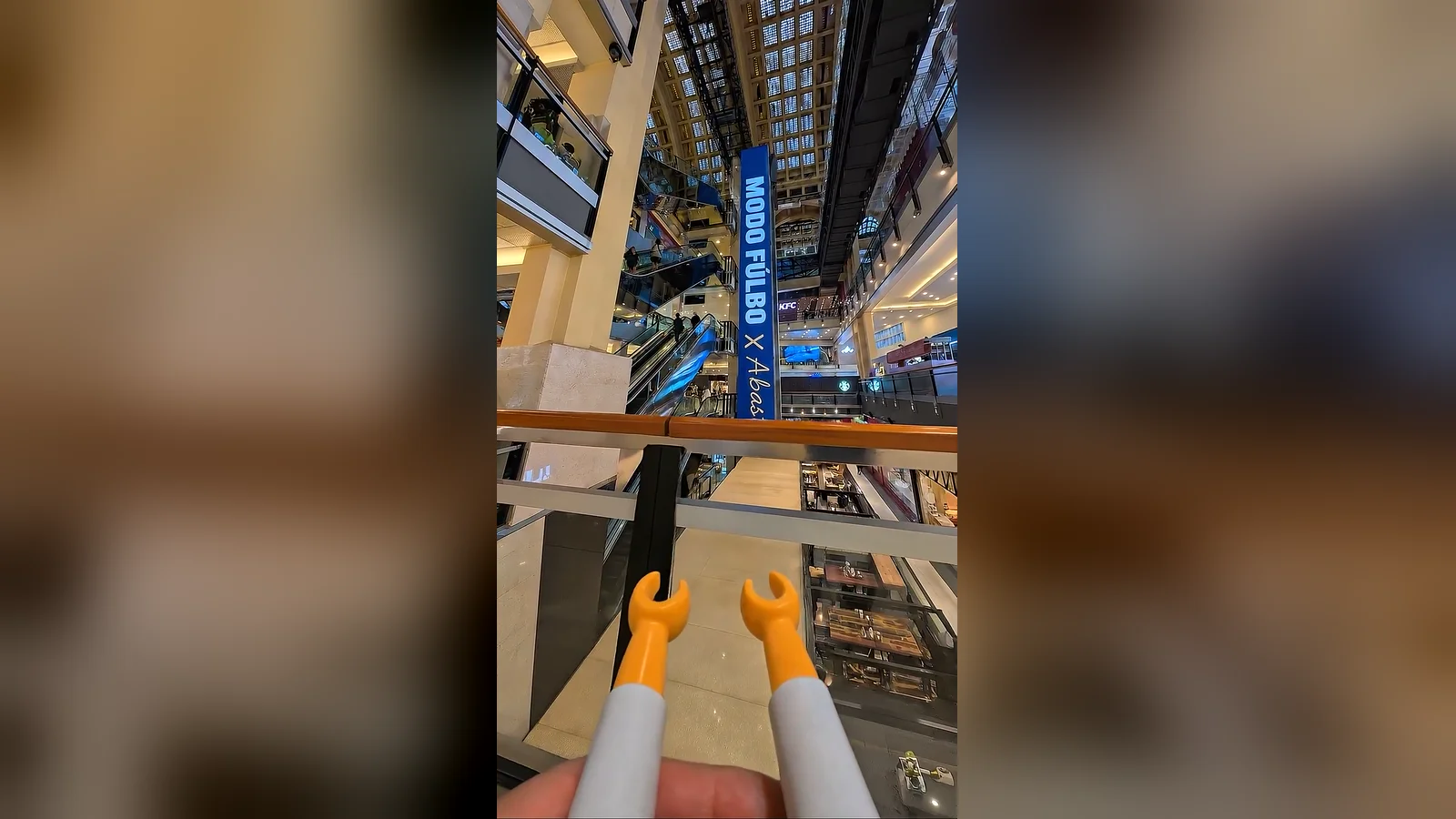
The second is the invitation to MARCCA 2026, the annual conference of the Colombian Shopping Centers Association (Acecolombia). The 2026 edition had magic as its concept, and the invitation was built on that premise. Concept, art direction, AI video production, motion graphics, editing and sound were handled remotely, without a crew in Colombia.
Both cases use AI intensively and both start from the same place: an idea the brand or the event already had in its code, told with the language each screen called for.
How audiences react to an ad made with AI
The reaction depends more on the idea than on the tool. There is no public regional study that measures it, so what follows is a reading of the pieces that circulate and how people comment on them.
A pattern repeats. A piece with a clear idea and a world of its own is received like any good ad. Reception gets worse when the ad looks like any other, with average aesthetics, characters without personality and the brand tacked on at the end. That is called AI slop, and it is a brand problem before it is a technology problem.
For a brand the risk is concrete. A piece that is not recognized as its own ends up working for the whole category, even if it is well made.
What the AI campaigns that work have in common
The AI campaigns that are received most favorably share four traits:
An idea that is understood without the tool. If you can tell it in one sentence without saying "AI", it has a foundation. Arbolitos is told like this: the grass characters arrive at the shopping center and dance.
A code that already belongs to someone. The brand, the event or the conversation provides the starting point. MARCCA brought magic; Arbolitos, a trend that was alive.
A real place. Integrating real spaces of the shopping center or the city makes the piece belong to a specific place and not to an image bank.
Someone who chooses and discards. The first version is almost never the right one. If producing is easier, choosing has to be more demanding.
Where AI adds to a brand campaign
AI adds value where there used to be a production limit. It appears mainly at these points:
Scenes that could not be filmed. Grass characters dancing in a shopping center or a shower of croissants over the city.
Arriving on time. Producing within the short window of a trend or a retail date.
Versions. Taking the same idea to social media, screens and different formats without redoing the campaign.
Exploring before deciding. Seeing the visual universe of an idea before committing to production.
Where it does not add value is in the part that decides what to say. The objective, the audience and the story are still the work of people with brand judgment. If what you are looking for is a full spot, in how an AI commercial is made we explain how it is put together. FeedGuru produces this kind of piece for brands, agencies, shopping centers, retail and companies: the details are in services.
Frequently asked questions
What examples of AI advertising are there in Latin America?
A good starting point is the published cases with a full case sheet, because you can see the piece and how it was made. Two examples are Arbolitos, for Alto Palermo, which brought a social media trend to the shopping center while it was still current, and the MARCCA 2026 invitation for Acecolombia, made remotely on the concept of magic. Both are published on feedguru.net.
Do people reject advertising made with AI?
What usually generates rejection is the generic rather than the tool. A piece with a clear idea, a recognizable world and a brand that is part of the story is received like any good ad. When the result seems interchangeable, with average aesthetics and the brand tacked on at the end, reception gets worse. That is why creative direction weighs more than technique.
Does AI replace the agency?
No. With AI the way of producing changes, but someone has to define the objective, the message, the audience and the story, and answer for what gets published. That work still belongs to the agency, the brand team or the creative studio. What does change is that creative work and production can work more closely, within the same cycle.
Which part of a campaign is worth doing with AI?
The part that used to have a production limit: scenes that could not be filmed, pieces that had to come out within the short window of a trend or a date, and versions of the same idea for several formats. The strategy, the idea and the final approval should stay in the hands of people with brand judgment, because that is where it is decided whether the campaign looks like the brand.
Arbolitos and the MARCCA invitation can be seen in full in the portfolio.