Brand characters with AI: how they are created and sustained

A brand character made with AI is a figure of the brand's own, whether a person, an animal or an object, that the brand uses across many pieces while keeping its look, its personality and its voice. The central work is defining it before producing: how it looks, how it speaks, what it always does and what it never does.
What a brand character is and what it does for a brand
A brand character is a figure that comes back. It appears in an Instagram story, on a store's screen, in a retail date campaign, and people recognize it before reading the logo. Its value lies in accumulation: each piece adds to the previous one.
A brand that changes its face with every campaign starts from scratch each time. One that sustains a character builds something that, over time, is its own. That is why the character is a creative direction decision before it is a production one.
AI video production changed the scale of that work. Today the same character can appear in many pieces, in different formats and on social media timelines, without losing its look. What has not changed is that someone has to decide who it is.
What needs to be defined before producing the first piece
Before generating a single image, it is worth writing a character sheet. It is short, but every piece is reviewed against it. It has to answer five things:
Look. Proportions, colors, wardrobe and the detail that is never touched, such as an accessory or a way of looking.
Personality. How it reacts, what it finds funny, what matters to it and what it would not do even if the piece called for it.
Voice. If it speaks, how it speaks. If it does not, how it expresses itself: gesture, rhythm, music.
World. Where it lives, who it appears with, which real places of the brand are part of its story.
Limits. Topics, situations and tones it does not enter.
Without that sheet, each piece reinterprets the character and by the third one it no longer looks like the first. With the sheet, each review has a criterion that does not depend on the taste of whoever is looking.
A licensed character and a brand's own character call for different work
There are two starting points. In the first, the character already exists and has an owner: a toy figure, another brand's mascot, a licensed character. Its form is settled and the rules of use are set by the rights holder. The creative work is in the story and the context, and each piece goes through the approvals the rights holder requires.
In the second, the character belongs to the brand or is created for it. There, everything has to be designed: the form, the personality, the world. It is more work at the start and gives more freedom later.
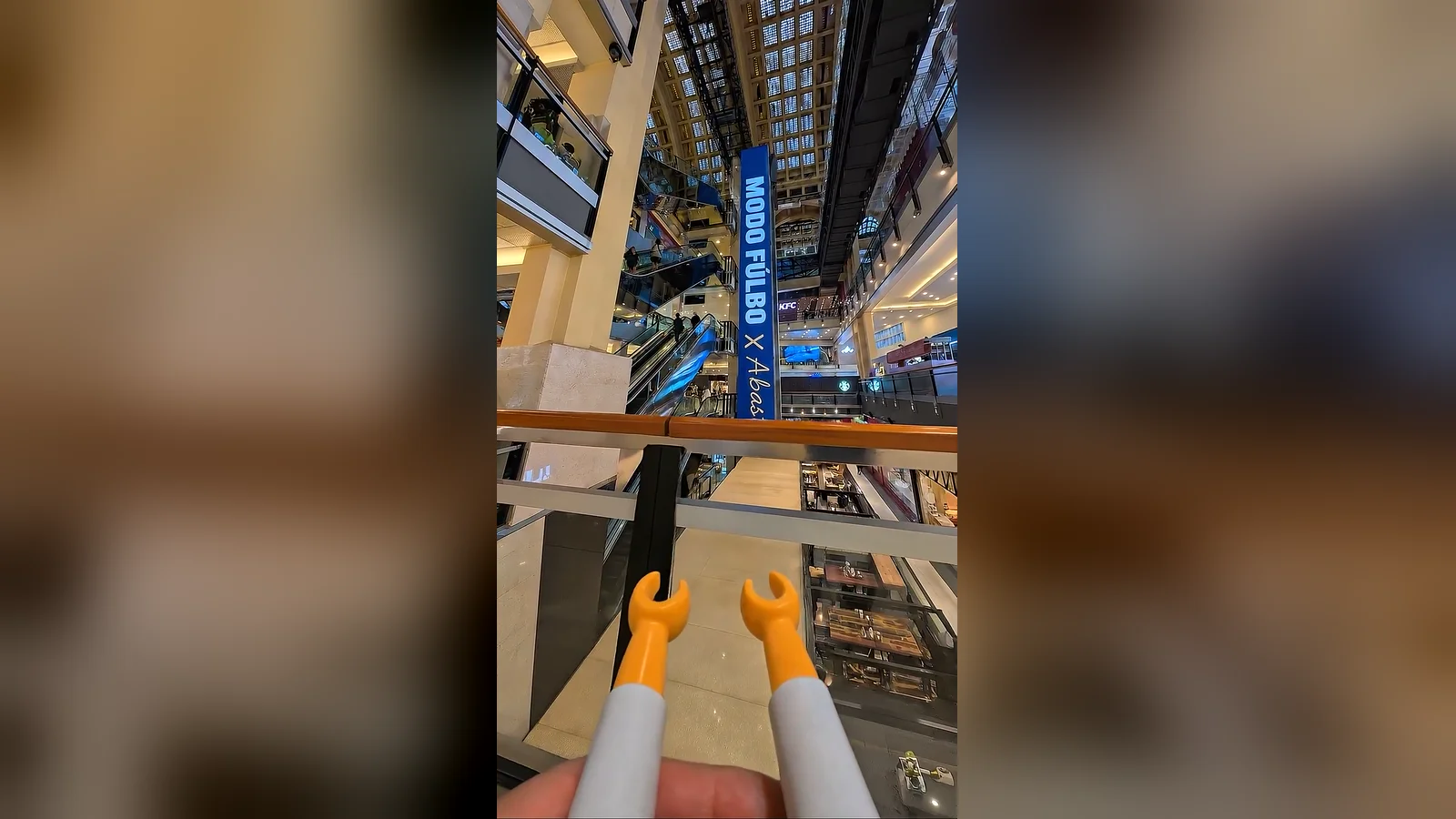
The same brand can go down both paths. The Playmobil campaigns at Abasto Shopping use figures whose form was already settled, and what is built is the story that brings them into the shopping center.
How a character is sustained across many pieces
Sustaining a character is continuity work. You work with fixed references of the character, review each shot against the sheet and correct whatever drifts before moving on. A piece where the character comes out a little different forces a decision on whether to redo it; letting it pass means accepting that the next one will drift a little more.
It is the same problem we cover in the article on visual consistency with AI for brands, products and characters: a good isolated image is easy, a coherent campaign is not. And it is where creative direction with generative AI shows: the tool proposes many versions and someone has to choose the one that is still the character.
The format also matters. A character goes a long way in reels and vertical content for brands, because those pieces come out often and the audience sees it again every week. On a store's screens, on the other hand, it has to be understood without sound and in a few seconds.
Three cases: Playmobil at the Abasto, MINISO's characters and a polar bear
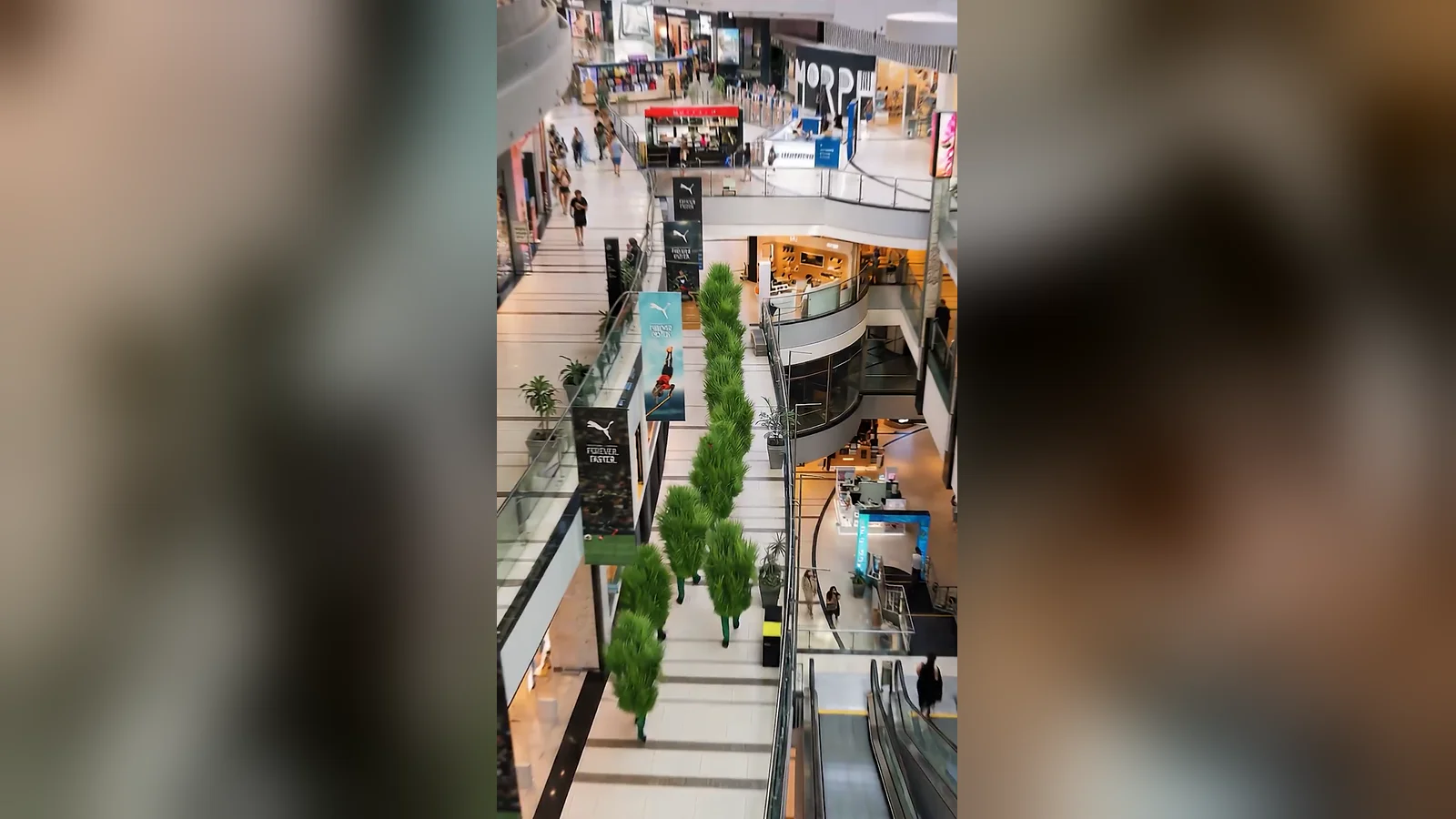
In A night with Playmobil at the Abasto the challenge was to keep generating content without repeating the collection's promotional message. The idea was to tell what happens when the shopping center closes: the figures come to life and roam the walkways, escalators and activations. The piece combines real footage of the shopping center, AI, animation and post-production. The campaign stopped depending on a single piece and began to work as a content platform.
For MINISO's Children's Month, the date was told by Yoyo and the brand's penguin, each in their own piece, on the stores' screens. Since both already had a form and a character, the work was putting them in new situations without them ceasing to be themselves.
The Abasto polar bear shows the other path: an advertising reference that was circulating around the world, turned into a character who arrives in Buenos Aires and enters the shopping center with local humor, produced at the speed of social media. Character animation and VFX is one of FeedGuru's services.
Frequently asked questions
Can a brand character be created with AI?
Yes. AI makes it possible to design a character and produce it in many pieces with the same look. What it does not resolve on its own is who the character is: before producing, its look, personality, voice, world and limits have to be defined. With that sheet written down, each piece is reviewed against it and the character stays recognizable from one campaign to the next.
How does it stay the same across every piece?
With fixed references and shot-by-shot review. The character has a sheet with its look and its rules, and each piece is compared against that sheet before it is considered finished. Whatever drifts is corrected on the spot, because a piece that comes out a little different makes the next one drift a little more.
Can you work with a licensed character?
Yes, under the rights holder's rules. When the character already exists and has an owner, its form is settled and the rights holder defines how it can be used and what has to be approved. The creative work goes through the story and the context. In the Abasto Shopping campaigns, for example, the Playmobil figures were already designed and what was built was the story that brings them into the shopping center.
Can the character have a voice?
It can, and it is worth deciding at the start. If it speaks, its way of speaking is part of the sheet just like its look. If it does not, it expresses itself through gesture, rhythm and music. For a store's screens, which usually work without sound, a character who can be understood without a voice has an advantage. On social media, a voice of its own makes it more recognizable.
Playmobil, Yoyo and the polar bear can be seen in motion in the Abasto projects and the MINISO projects.