VFX with AI: cinematic scale for brand pieces
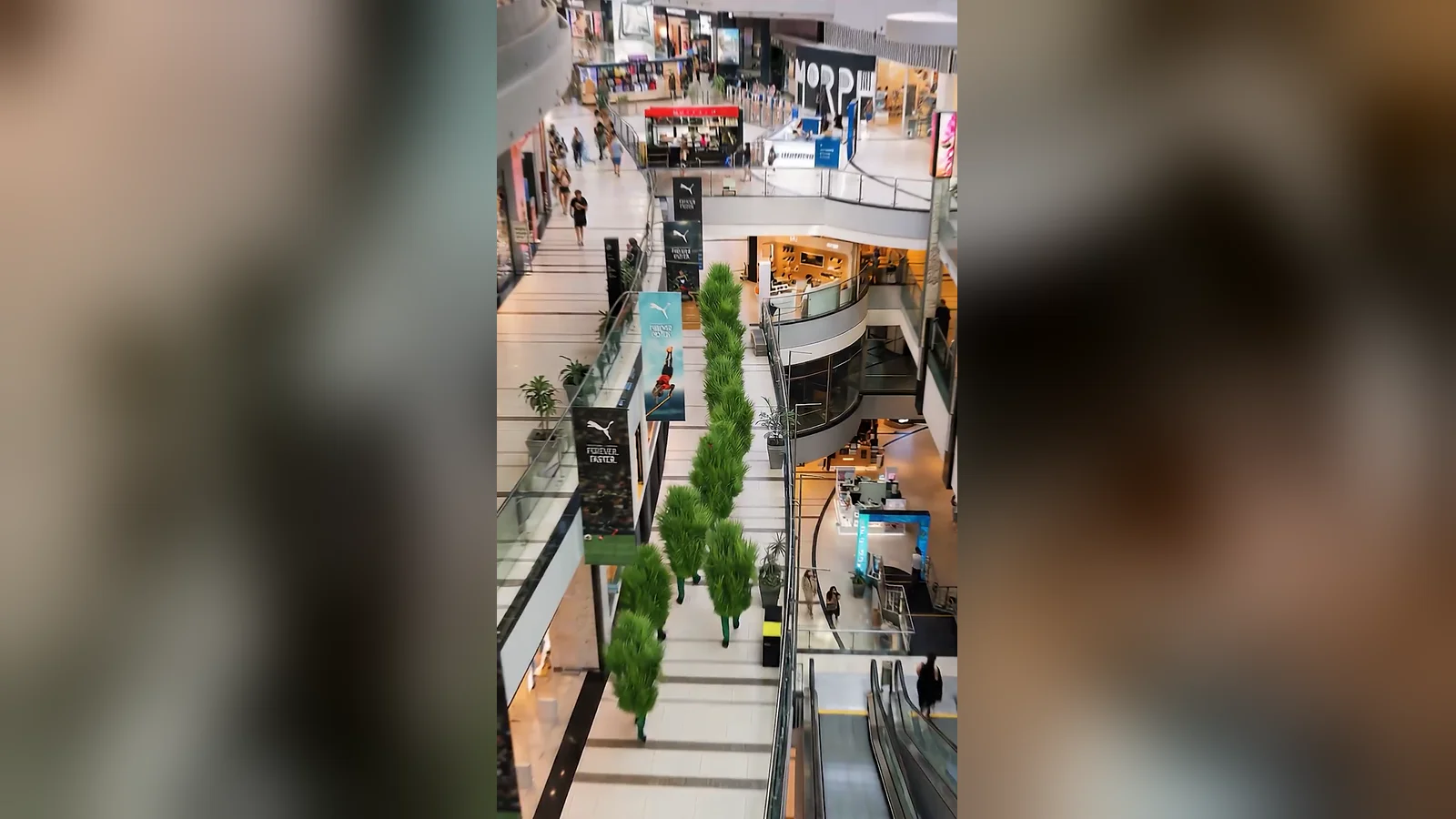
Visual effects with AI make it possible to show in a piece what cannot be filmed: a giant ball over a city, a crowd before it exists or race cars crossing a shopping center at night. AI delivers the scale; whether the image is believable depends on the idea, the light, the sound and the finishing.
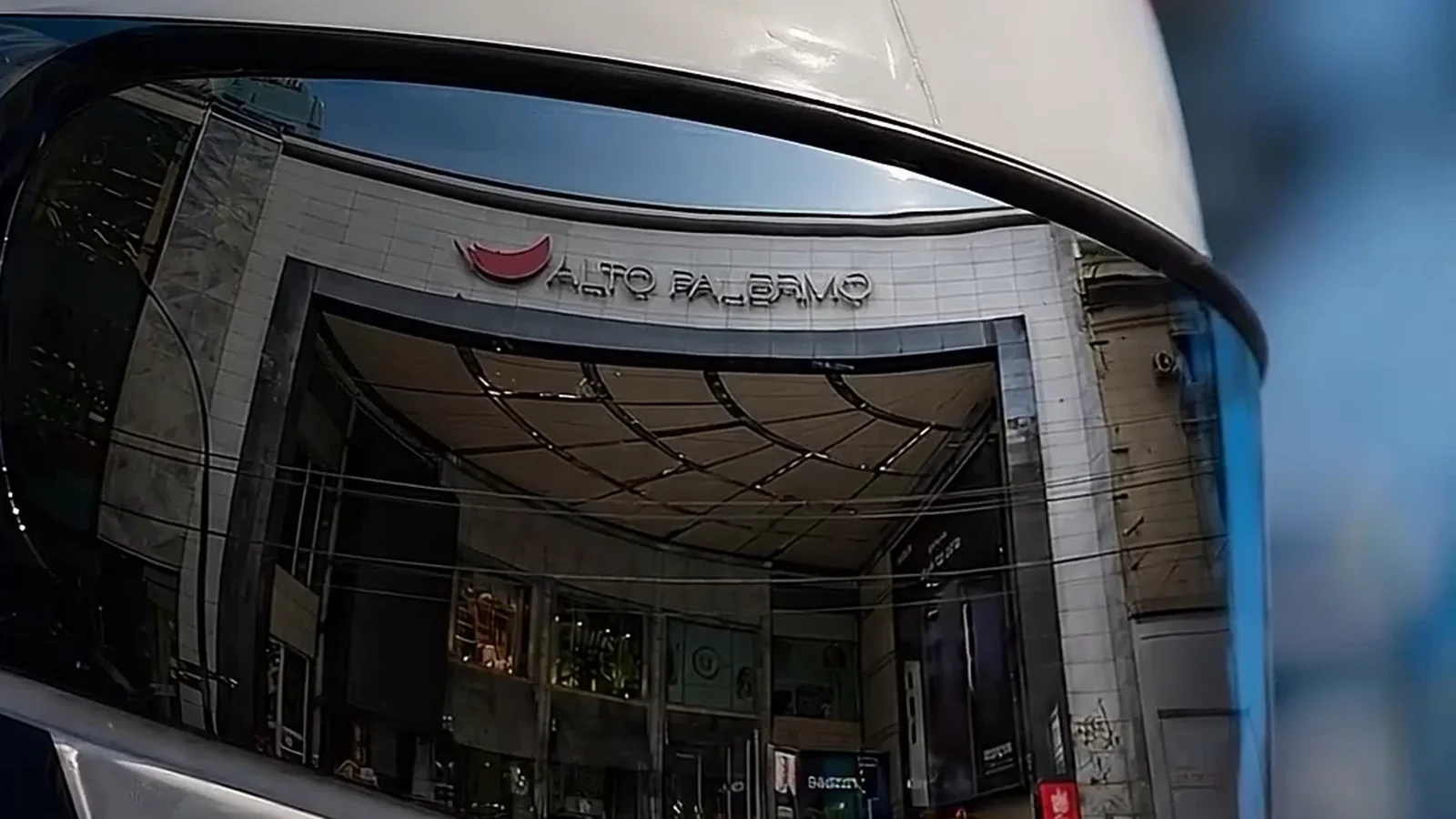
The examples below are 2026 World Cup campaigns for Alto Palermo and Toscas Shopping, and they help show when an effect convinces and when it only grabs attention.
What a visual effect brings to a brand piece
A visual effect puts on screen something the camera cannot capture. In advertising it is almost always about scale: a huge object integrated into a city, a crowd that has not gathered yet, a space that for a few seconds works as something else.
For years that resource was reserved for large productions. Today AI production, together with the usual compositing, animation and post-production, makes it possible to work at that scale in pieces for social media and screens.
What has not changed is what it is for. A well-used effect creates surprise and leaves an image people remember. Badly used, it is noise.
The idea is defined first and the effect afterwards
The most common mistake is starting with the technique: we have AI, let's make something giant. The result is usually a spectacular image that says nothing about the brand. That is where AI slop, generic content mass-produced with AI, begins.
The reverse order works better. First comes what the brand needs to say, then the scene that tells it and only then the decision on whether an effect is needed. Sometimes the answer is to film. When each technique makes sense is covered in shoot or AI.
When the effect appears, it does so because the idea calls for it. That organizes everything that comes after: the framing, the light and the rhythm are designed for the scene from the script onward.
How the scale of Alto Palermo's giant ball was built
Before announcing benefits or match screenings, Alto Palermo wanted to set the World Cup mood. A title card could inform. The goal was to build anticipation and open a creative territory for the whole campaign.
In the giant ball teaser, different people sense that something extraordinary is happening in the city, and the intrigue grows until it reveals a ball of monumental scale integrated into the cityscape. The idea was thought out from the start with what AI and VFX made possible. Compositing, animation and post-production resolved scale, perspective and lighting in scenes that could not be filmed.
The piece worked as the first chapter of a broader campaign. The effect had a concrete job: to let the brand enter the World Cup through entertainment and anticipation, rather than through promotion.
The next chapter took the scale to a character. Alto Palermo was going to screen the matches and needed to communicate something more than a schedule. In El Mundial llega a Alto Palermo, a giant Argentine player walks through Buenos Aires while everyone follows his arrival, and the journey ends at the shopping center, where a crowd is waiting for him. Character, crowds, urban integration and animation were worked on with AI and post-production so that the scale would carry a simple message: the shopping center as a meeting point.
How a crowd is shown before it exists
Toscas Shopping wanted to bring its community to a fan rally to cheer on the national team. There were no images of the event to invite people with, because it had not happened yet.
The story starts at home, moves through a get-together with friends and ends in a celebration in front of the shopping center. The effects work was building a believable crowd: people, flags and smoke at the scale of an event that had not yet happened, consistent from one shot to the next.
In retail this use comes up often: showing something that is going to happen so that people want to be there. It works if the scene is believable and if the image does not promise something the event will not deliver. Something similar happens in F1 Circuit: to present its Formula 1 simulators, Alto Palermo showed race cars crossing the shopping center at night, integrated into a real setting.
Where the finishing of a visual effect shows
An effect falls apart in the details. The scale can be right and the image can still look pasted on, because the light comes from another direction, the shadow does not sit on the ground or the sound does not match the weight of what is seen.
That is why a good part of the work is in the finishing: compositing, color correction, shadow integration and sound design. Before approving a piece with VFX it is worth checking four things:
Does the light on the added element match the light of the place and the time of day of the scene?
Does what is huge move with the weight of something huge?
Does the sound confirm the scale or contradict it?
Is the scene understood in the first second, without the effect being the only reason to watch it?
If any answer is no, the effect is not finished yet. To see where this work fits within a full production, the guide to AI video production goes through the whole process, and how an AI commercial is produced covers the path of a brand spot.
Frequently asked questions
What are VFX with AI?
They are visual effects produced by combining artificial intelligence with the classic tools of compositing, animation and post-production. They make it possible to integrate into a scene elements that cannot be filmed, such as a giant object, a crowd or a vehicle inside an enclosed space. AI adds speed and scale, and the direction decides what is shown and how it is integrated.
Can cinematic effects be made for a social media piece?
Yes. Cinematic scale is no longer reserved for large productions. Alto Palermo's giant ball is a teaser for social media and works with scale, perspective and lighting like a film scene. What defines the result is that the idea justifies the effect and that the finishing is carefully done, especially the light and the sound.
Can you tell that a crowd is generated?
It can show if the finishing is neglected: repeated faces, movements that do not match or light that does not fit the scene. In Toscas Shopping's fan rally, art direction, animation and post-production took care of consistency between shots. A generated crowd is reviewed shot by shot, just like a filmed one.
How much real footage is needed?
It depends on the piece. Some scenes are built entirely with AI and others start from real images of the place, from the brand's material or from the architecture of the space, onto which the effect is integrated. When the piece has to be recognizable as a specific place, working on real footage usually gives more precision.
To see how a scale like that moves, the giant ball is available in full in Alto Palermo's World Cup case.