The idea before the prompt: from the brief to a clear idea
Thinking about the idea before the prompt means arriving at the tool with the decisions already made: what the piece has to achieve, what story it tells, which scene sums it up and where it will be seen. With that clear, AI executes an idea. Without it, it proposes any idea and someone ends up choosing among whatever came out.
It seems obvious, but when generating an image takes seconds, the temptation is to skip that path and start testing. What is saved at the start is paid for later, in rounds of changes on pieces nobody finished defining.
What the difference is between a prompt and an idea
A prompt tells a tool what to produce. An idea says why the piece exists, what the viewer should feel and why it has to belong to this brand and not another. They are different things, and the order matters.
If the prompt comes first, the team ends up choosing among whatever came out, instead of deciding what had to come out. Why that choice weighs more and more is covered in generative AI and creative direction.
Why the order matters more with AI
In a traditional production, each shoot forced decisions to be made beforehand: you could not film ten versions of a scene to see which one came out better. That restriction had a hidden advantage. It forced you to have the idea clear.
With AI, testing is so easy that the decision can be postponed almost indefinitely. There is always one more variant to generate. That is the risk: confusing exploring with deciding, and ending up choosing among options nobody thought through.
From the brief to the idea, step by step
Between the brief and the first generated shot there are five decisions worth making in order. They apply to any campaign, whoever produces it.
Read the brief as a problem. What has to happen after someone sees the piece: that they go to the shopping center, that they remember a date, that they understand a mechanic.
Tell the story in one sentence. If it cannot be told in one sentence, there is no idea yet. There is a topic.
Turn it into a scene. The point of view, the moment and the first thing that is seen. That scene is what then organizes every shot.
Define where it will be seen. A reel is not the same as a vertical LED screen or a silent outdoor piece.
Close it before producing. An idea that can be told with words and references can be discussed and adjusted before the first shot. Changing a sentence takes minutes. Changing a finished piece, quite a lot more.
Only with that clear is the way of producing chosen. Sometimes it is AI, sometimes filming, sometimes motion graphics, and almost always a mix. The step by step is in From brief to final video: how to organize an AI production.
The case of El Mundial empieza a sentirse: building anticipation before informing
Alto Palermo wanted to join the World Cup conversation before communicating benefits or match screenings. A card with dates could inform. The problem was a different one: setting the mood of the event and starting to build a territory for the campaign.
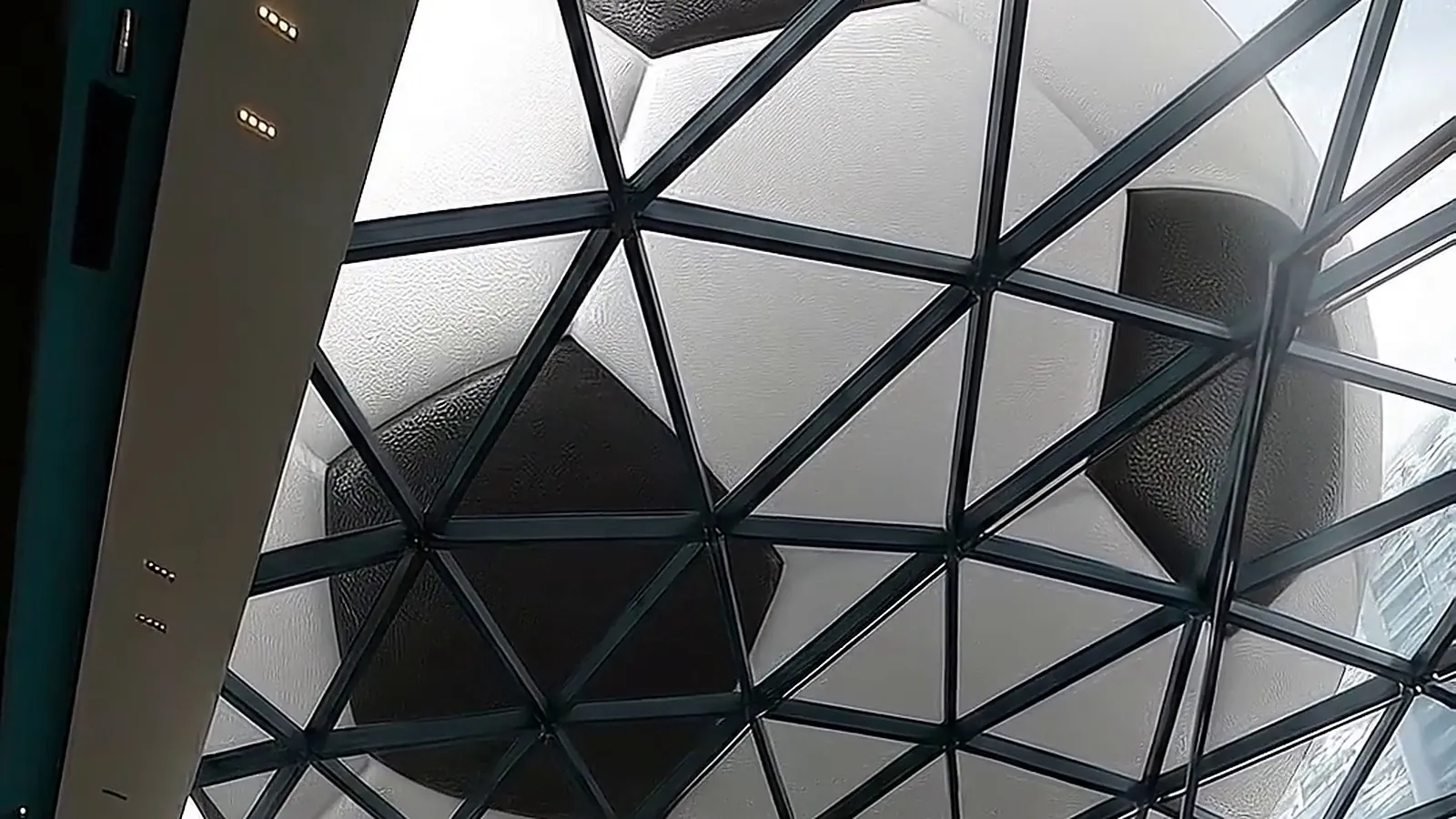
The idea of El Mundial empieza a sentirse was just that: different people sense that something extraordinary is happening in the city, the intrigue grows and a ball of monumental scale appears, integrated into the cityscape and linked to Alto Palermo.
Production with AI and VFX made it possible to work at that scale. But the decision that the piece would be a teaser, and not an ad, was made beforehand. The video worked as the first chapter of a broader campaign.
The F1 Circuit case: showing the adrenaline before the dates
To present its Formula 1 simulators, Alto Palermo could have shown the simulators, the prices or the dates. It chose something more memorable: conveying the adrenaline before the public tried the experience.
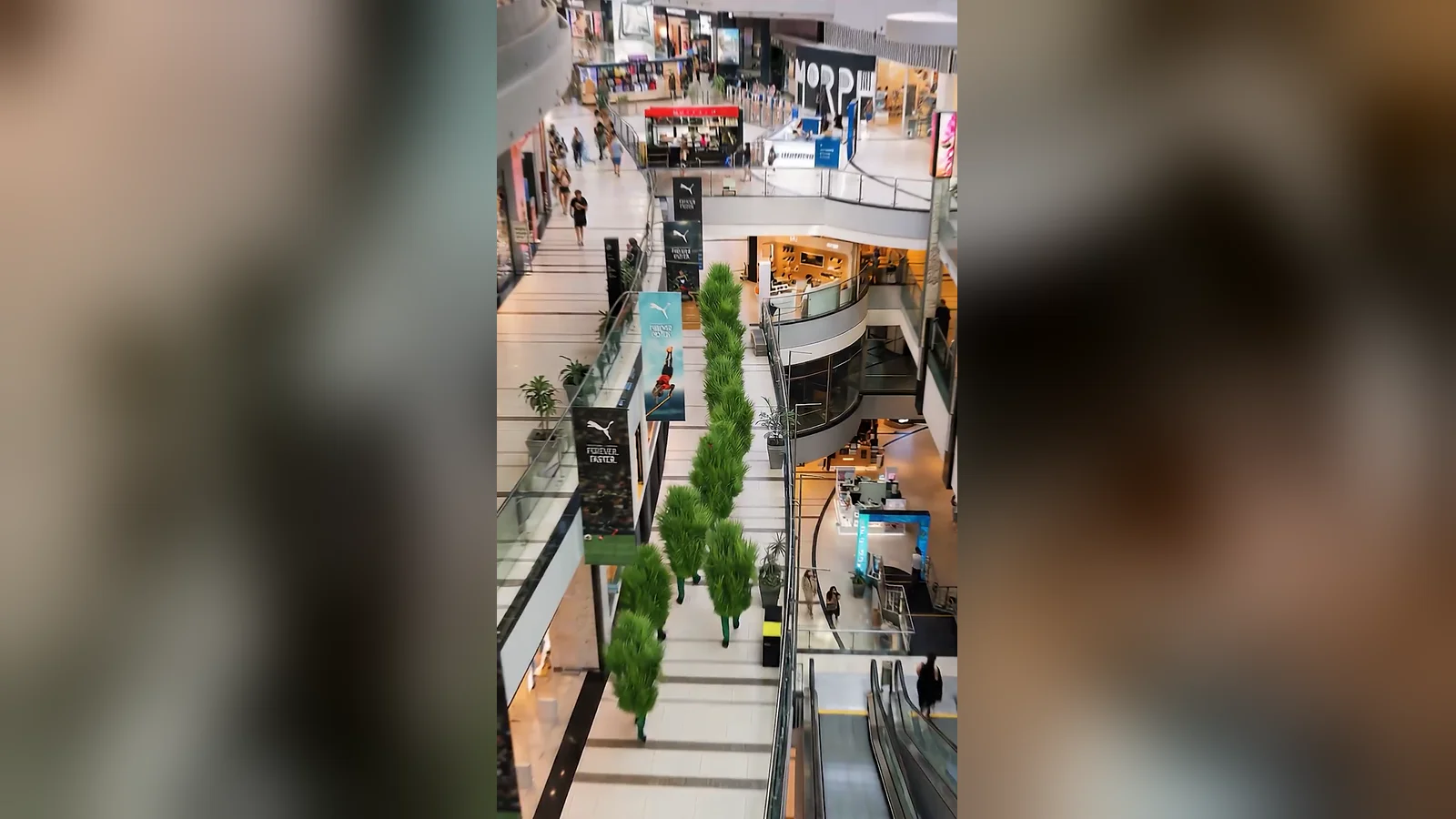
In F1 Circuit we imagined that, during the night, race cars speed through the shopping center while a security guard tries to understand what is going on. The idea defined everything else: the point of view, the tone and which technique was needed to integrate the cars into a real space.
Where AI comes in
AI comes in when the idea is already there. That is where it changes a lot: it makes it possible to visualize earlier, test paths more quickly and resolve scenes that cannot be filmed. How far it goes today is reviewed in what can be done with AI in video and where it cannot yet, and how it applies to a spot, in AI commercials.
What it does not do is decide what to tell. That part is still the work of people: reading the brand's context, finding the story and making sure the last piece says the same thing as the first.
What changes for a brand
When the idea comes first, the brand gets more than a well-made piece. It gets a piece that can be explained, defended and extended. A clear idea can become a series, be adapted to other formats or come back for the next date without starting from scratch.
When the prompt comes first, each piece is a new starting point. And that, in a calendar full of dates, shows. The full journey of a production, stage by stage, is in AI video production for brands.
Frequently asked questions
What does thinking about the idea before the prompt mean?
Arriving at the AI tool with the decisions already made: the objective, the story in one sentence, the scene and the formats. That way the tool executes an idea that already exists, instead of proposing any idea.
Can AI help find the idea?
It can help visualize and compare paths once the direction is defined. But the idea, what the piece wants to say and why, is decided by a team.
Does this make the process slower?
On the contrary. A clear idea reduces tests without direction and late corrections. Deciding well at the start makes it possible to produce faster afterwards.
If you have a campaign ahead and want to start it with the idea, let's talk or see how we work on campaigns and commercials.